









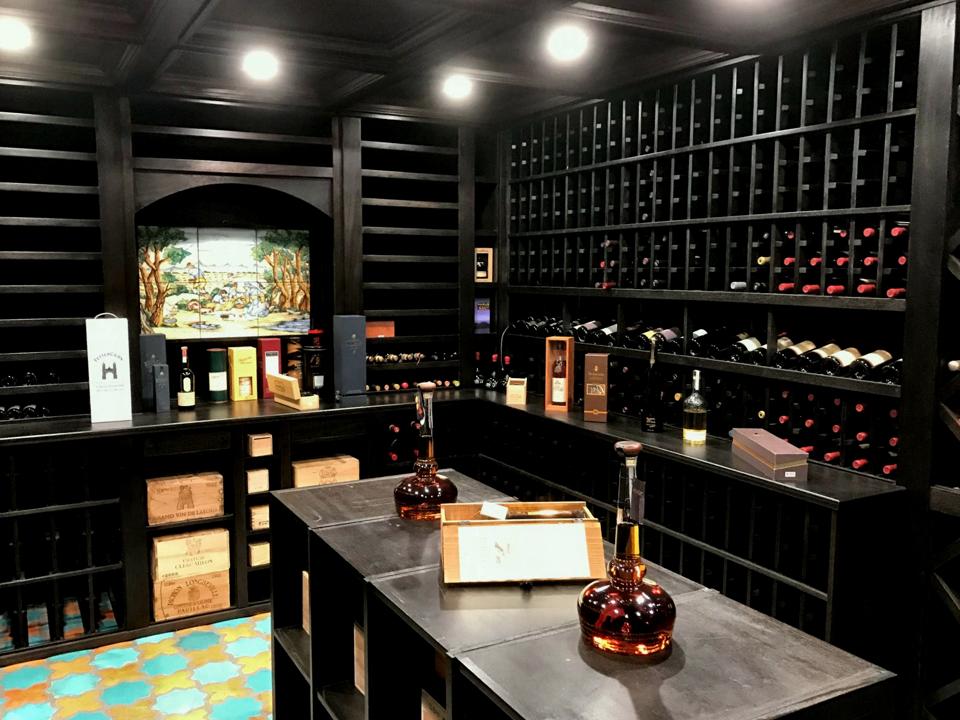
For the modern homeowner, a custom wine cellar design has evolved far beyond a simple storage solution tucked away in a dark corner of the basement. It has become a centerpiece of architectural expression, a sophisticated marriage of precision engineering and high-end interior design. As the culture of wine collecting continues to grow, the demand for spaces that not only preserve the integrity of the vintage but also showcase the beauty of the bottle has reached new heights. Creating a world-class wine cellar in a contemporary residence requires a deep understanding of environmental variables, material selection, and the seamless integration of technology. Whether you are a casual enthusiast or a serious oenophile, the journey to a perfect cellar begins with a clear vision of how form and function will coexist in your home.
Defining the Aesthetic: From Traditional to Transitional
The first step in any custom design process is determining the visual language of the space. In the past, wine cellars almost exclusively featured heavy oak racking, stone walls, and wrought iron accents to mimic the subterranean caves of Europe. While this traditional look remains a classic choice for many, modern homes are increasingly leaning toward minimalist and transitional designs. This contemporary approach often utilizes frameless glass walls, stainless steel cable systems, and acrylic racking to create a sense of weightlessness and transparency.
A glass-enclosed wine wall located in a dining room or under a grand staircase allows the collection to serve as a dynamic piece of art. The use of backlighting and focused LEDs can highlight specific labels, turning the act of selecting a bottle into a curated experience. For those who prefer a blend of styles, transitional designs combine the warmth of reclaimed wood with the clean lines of metal hardware. This versatility ensures that the wine cellar feels like a natural extension of the home’s existing decor rather than a detached utility room.
The Science of Preservation: Climate Control Essentials
While the visual appeal of a cellar is what captures the imagination, the climate control system is what protects the investment. Wine is a living, breathing product that is highly sensitive to its environment. To ensure that a vintage ages gracefully, the cellar must maintain a consistent temperature, ideally between 55 and 58 degrees Fahrenheit. Fluctuations in temperature can cause the liquid to expand and contract, potentially compromising the seal of the cork and allowing oxygen to spoil the wine.
Humidity is equally critical, with the optimal range sitting between 50 and 70 percent. If the air is too dry, the corks can shrink and crack; if it is too humid, mold can develop on the labels, destroying the provenance and resale value of the bottle. A professional-grade cooling unit, specifically designed for wine storage rather than standard air conditioning, is a non-negotiable component. These systems are engineered to manage both heat and moisture while operating with minimal vibration, as excessive movement can disturb the delicate sediment in older red wines.
Racking Systems and Spatial Optimization
The way bottles are stored is a primary factor in both the capacity and the accessibility of the collection. Traditional “cork-forward” racking maximizes storage density by stacking bottles deep into the wall. However, this makes it difficult to see the labels without pulling the bottles out. Modern “label-forward” systems, often made of slim metal pins or horizontal rails, allow the collector to browse their inventory at a glance.
Spatial optimization also considers the variety of bottle sizes in a collection. A well-designed cellar includes dedicated bins for standard 750ml bottles, wider slots for Champagne and Burgundy shapes, and larger shelving for magnums or wooden cases. Incorporating a tasting station or a small decanting counter within the cellar can also enhance the functionality of the space. By planning for future growth and diversity in the collection, homeowners can avoid the need for costly renovations as their palate and inventory expand.
Conclusion
Designing a custom wine cellar for a modern home is a rewarding endeavor that blends technical mastery with personal style. It is a space that honors the history and craftsmanship of winemaking while utilizing the latest advancements in climate control and architectural materials. By prioritizing the invisible elements of insulation and vapor barriers alongside the visible beauty of glass and steel, a homeowner can create a sanctuary that preserves their liquid assets with unwavering precision. A well-executed wine cellar does more than just hold bottles; it creates a destination within the home for celebration, conversation, and the slow, deliberate appreciation of the finer things in life.