







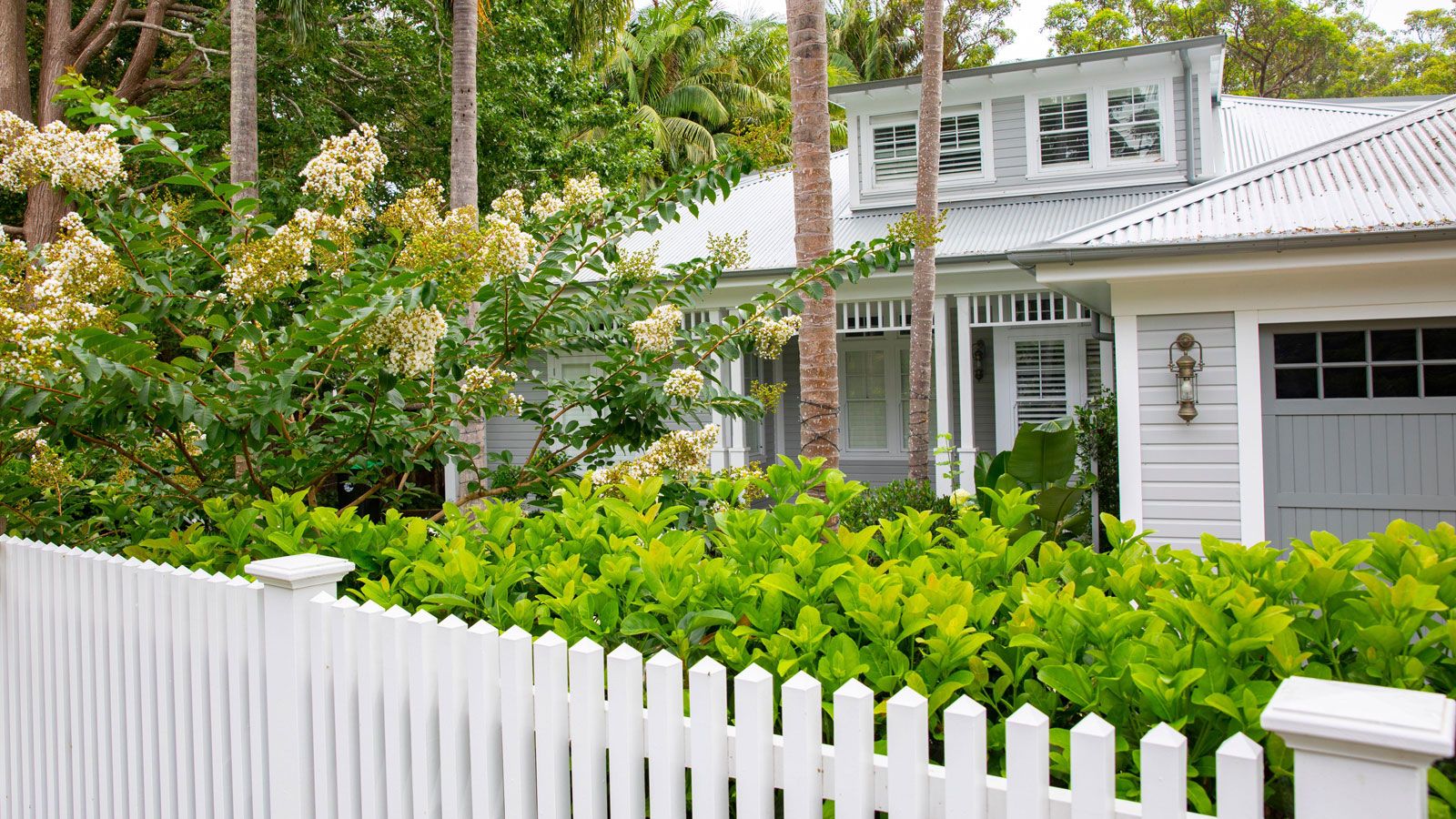
Security and privacy are often talked about as separate things, but in a garden they usually meet at the same point – the boundary fence. A fence does not need to look severe to make a garden feel protected. It needs to be solid, consistent, well aligned, and suited to the property. In 2026, more homeowners are searching for fencing companies near me because they want their outdoor space to feel calmer, safer, and less exposed. Many begin by looking at garden fencing services in York to understand which details make the biggest difference.
After decades working as a fencing contractor across York, I can say the detail that changes the feel of a garden fastest is not always height. It is consistency. A consistent fence line, with strong posts, tight panels, and no awkward gaps, makes a garden feel private and secure almost immediately.
Why consistency matters more than height alone
A tall fence with gaps still feels exposed. A high fence that leans feels unsafe. A patched fence with different panel types may technically mark the boundary, but it rarely gives confidence.
A consistent fence line does something different. It creates a clear edge. It tells the eye where the garden ends. It reduces visual distraction and makes the space feel settled.
One thing I see often on local jobs is homeowners asking for taller fencing when the real issue is uneven screening. Once the fence line is straight and the gaps are removed, the garden often feels private without needing excessive height.
How gaps weaken both privacy and security
Small gaps between panels, under gravel boards, or around gates can change how a garden feels.
Privacy is affected first. People notice movement through gaps. Even a narrow line of sight can make a seating area feel exposed.
Security is affected too. Gaps suggest weakness. They make the boundary feel neglected, even if the fence still stands.
Homeowners often become aware of these gaps only after spending more time outdoors. Once noticed, they are hard to ignore.
Why post stability is the foundation of confidence
Fence panels only feel secure if the posts holding them are stable.
In York, clay soil creates ongoing movement. It expands when wet and shrinks when dry. This stresses posts through the seasons.
I usually install posts at around 600mm to 750mm depth, depending on the ground. In softer or more exposed areas, deeper posts may be needed.
If posts move, panels shift. If panels shift, gaps appear. The whole boundary begins to feel weaker.
The role of closeboard fencing in privacy
Closeboard fencing remains one of the most effective choices for privacy and security.
It has a solid face, strong rails, and a traditional look that suits many homes. When installed properly, it creates reliable screening without looking harsh.
For homeowners who want a clear, private boundary, closeboard is often the first option I discuss.
The key is correct installation. Poorly set closeboard fencing can catch wind and strain posts. Strong groundwork matters.
Why slatted fencing needs careful planning
Slatted fencing is popular in modern gardens. It looks clean and allows light through.
But not all slatted fencing provides the same level of privacy.
Spacing matters. So does the viewing angle. A slatted fence may look private from straight on but open from the side.
From years on site, I have learned to assess privacy from where the homeowner actually sits, not just from the fence line.
How gate alignment affects the whole boundary
A garden gate is often the weak point in a boundary.
If it drops, sticks, or leaves a wide gap, the entire fence line feels less secure.
Gate posts need particular attention because they carry movement and load. Hinges pull over time. Latches shift if the post moves.
Homeowners searching for fence repair near me often report gate issues first, even when the wider boundary has also started moving.
Why gravel boards improve the sense of enclosure
Gravel boards do more than protect panels from damp ground. They also close the lower part of the boundary.
Without a gravel board, gaps can open where soil levels change. Pets can push through. Wind moves debris under panels.
A neat gravel board gives the fence a finished base. It improves durability and makes the boundary feel more complete.
The impact of concrete posts
Concrete posts add visible strength.
They do not rot at ground level, which is one of the most common weaknesses in timber fencing. They remain stable in damp soil and support panels well.
Some homeowners prefer the look of timber posts, and that is understandable. But where long-term stability matters, concrete posts often provide more confidence.
In clay soil, they are a practical choice.
Why timber treatment still matters
Timber can provide excellent privacy and a warm, natural look, but treatment quality matters.
Pressure treated timber lasts longer than dipped timber. It resists rot better, especially in damp conditions.
If timber begins to soften, the fence loses stiffness. Rails move. Boards shift. Privacy reduces over time.
Good timber and proper treatment help maintain a tight, secure boundary.
Composite fencing and visual consistency
Composite fencing has become more popular with homeowners who want a clean, consistent finish.
Composite fencing cost is higher upfront, but the material does not warp or rot in the same way as timber.
That means fewer gaps and less movement over time.
For privacy-focused gardens, that stability can be valuable.
Why exposed gardens need airflow as well as screening
A secure and private garden still needs to cope with wind.
In exposed locations, solid panels can act like sails. If the posts are not strong enough, the fence moves or fails.
Hit and miss panels can offer privacy while allowing airflow. This reduces pressure on the fence line.
The right choice depends on exposure, soil, and how the garden is used.
When repairs can restore privacy
Repairs can work well when the problem is localised.
A dropped gate, one loose panel, or a single damaged post can often be corrected without full replacement.
Homeowners reviewing fence repair help in York can often decide whether the issue is isolated or part of a wider problem.
The aim should be to restore the whole boundary, not just fix one visible fault.
When replacement gives the better result
If several posts are moving or panels are mismatched, replacement usually gives a better outcome.
A full run of consistent fencing improves privacy, appearance, and stability all at once.
It also allows the installation to address ground conditions properly, rather than working around old weaknesses.
Why privacy feels different in modern gardens
Gardens are used more now.
People work from home, entertain outside, and spend more time in outdoor seating areas.
That increased use makes privacy more important. A fence that once felt adequate may no longer suit the way the garden is used.
This is one reason fencing decisions have become more considered in 2026.
Security without making the garden feel closed in
A secure garden does not have to feel boxed in.
The right fence should create reassurance without making the space gloomy. Height, panel type, colour, and layout all affect this.
Sometimes a targeted screen near a seating area works better than raising the whole boundary.
Good fencing design balances safety, light, and comfort.
Why local conditions matter
York gardens vary widely.
Some sit in sheltered streets. Others back onto open fields or new developments. Soil conditions, wind exposure, and drainage all change what works best.
A fence that gives privacy in one garden may struggle in another if conditions are different.
Local experience helps avoid those mistakes.
The simple checks homeowners can make
A homeowner can learn a lot by walking the boundary slowly.
Check whether posts move when pushed gently. Look for gaps under panels. Stand or sit where you normally use the garden and assess sight lines from that position.
These checks often reveal whether the fence is doing its job properly.
Why a secure and private fence starts with the small details
From decades working across York, it is clear that the fence detail that makes a garden feel secure and private is not one single product. It is the combination of straight lines, stable posts, tight panels, suitable height, and proper installation.
When those details work together, the garden feels calmer straight away. It becomes easier to use, easier to enjoy, and far less exposed.