






Floating staircases are one of the most common features that is seen at modern Australian homes. They can make interiors feel larger, brighter, and more sophisticated with their clean lines and open look. They look fantastic, but many homeowners are rebuffing the question of how much is a floating staircase?
The response differs accordingly, based on components, design intricacy along with labour requirements, and installation times. If you understand these elements it will help your projects go great.
What Is a Floating Staircase?
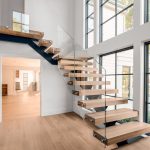
Floating stairs are intended to create the appearance that each tread is floating in the air. This is accomplished by employing hidden structural supports, mounted on the wall, or central stringers.
Some homeowners also collaborate closely with professional staircase designers during the design stage, so that it fits their aesthetics and can support a finished amount of weight too.
Costs likely differ greatly from one project to the next because floating staircases are typically custom built.
Material Costs
Generally, one of the most important factors influencing their final price is the choice of materials.
Timber Treads
Timber continues to be a popular choice because of how it warms up contemporary interiors and gives more character.
Common choices include:
- Oak
- Blackbutt
- Spotted Gum
- American Walnut
Higher quality hardwoods which are more expensive but wear well and look great.
Steel Components
Steel is often used in hidden joins and as central stringers. Steel powder − strong and modern finish.
Glass Panels
People often combine glass balustrades with a floating staircase that aims to keep the space open, there are even glazed stairs. The use of glass is aesthetically appealing, but it can raise the overall cost of the project.
Balustrading in Melbourne is incorporated in most of the projects to match the staircase design and to comply with the Australian safety standard.
Labour Costs
The installation of a floating staircase needs some experts and proper planning. They also tend to cost more in labour than the steel staircase alternatives.
Installation typically involves:
- Site measurements
- Engineering assessments
- Fabrication
- Structural preparation
- Installation
- Compliance inspections
Usually, these stages are coordinated by experienced staircase manufacturers to help the process go over smoothly and efficiently.
More complex designs naturally require more skilled labour, and that can affect the overall price.
Factors That Influence Pricing
Multiple factors influence budget finalisation of the project.
These include:
- Staircase size
- Number of treads
- Material selection
- Structural requirements
- Custom design features
- Balustrade style
- Site accessibility
A plain floating staircase may cost significantly less to build than a unique design tailored with high-end materials.
Typical Project Timeframes
The project duration of a floating staircase depends on design complexity and material availability.
A typical project may include:
Design and Engineering
Depending on approvals and design refinements, this stage usually takes one to three weeks.
Manufacturing
Fabrication typically takes a couple of weeks, or more in the case of custom-stair fabrication.
Installation
Many bathroom installations can be performed in under a few days with larger or more complicated projects taking longer.
Custom balustrading Melbourne projects can affect the overall project schedule too due to manufacture and installation needs.
Investing in a Floating Staircase
The answer is yes for many homeowners.
Floating staircases offer:
- Modern visual appeal
- Improved natural light flow
- Increased property value
- Architectural impact
- Design flexibility
While it may cost more upfront than a typical staircase, it’s an end result that often becomes a talking point in the house.
Final Thoughts
Design, function and craftsmanship are brought together in a floating staircase. Materials, labour, engineering, and custom design requirements are big factors that affect costs. Being aware of these things will allow homeowners to plan their home expenditures more carefully and expect the unexpected.
With professional staircases manufacturers or searching for a provider for balustrading in Melbourne, this type of project must be carefully planned, but with skilled assistance you can ensure that your staircase becomes a successful addition, bringing lasting value to your home.